
Meat traceability has become a critical aspect of the food industry, providing a transparent and accountable system that benefits consumers, producers, and the environment. Traceability involves tracking the journey of meat products from farm to table, documenting each step of the production process. Here, we explore the significance of meat traceability in ensuring quality, safety, and sustainability in the food supply chain.
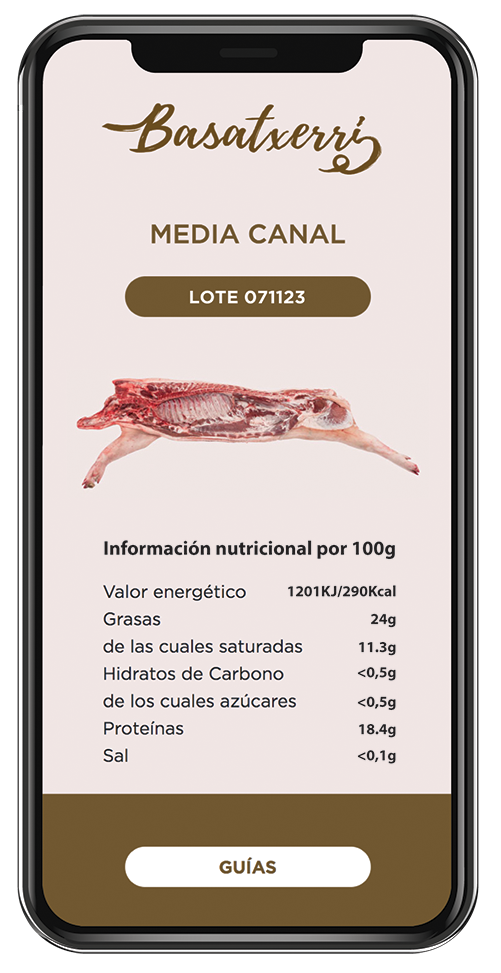
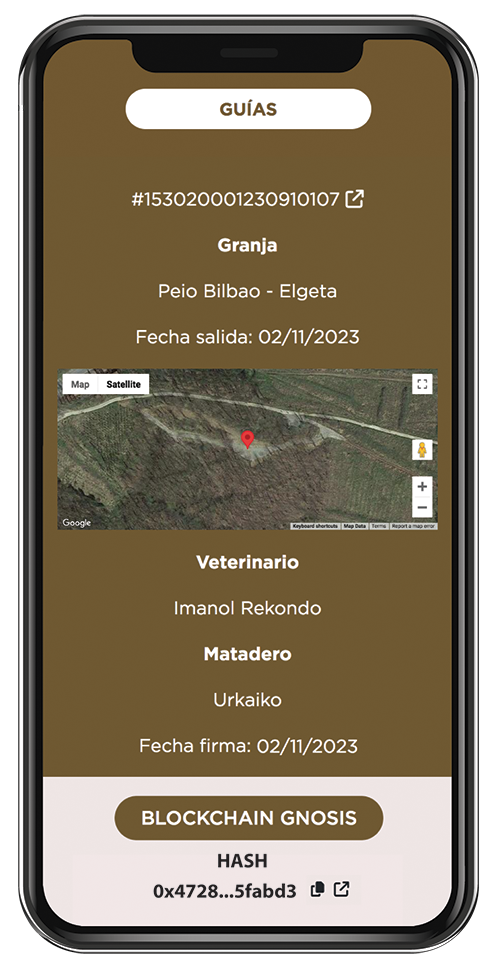
We are very happy to announce our latest
traceability project in collaboration with Basatxerri,
a basque farmhouse pork cooperative.

1. Ensuring Food Safety
Meat traceability plays a pivotal role in safeguarding public health by allowing swift identification and containment of potential foodborne illnesses. In the event of a food safety issue, traceability enables authorities to quickly pinpoint the source of contamination, facilitating targeted recalls and preventing the spread of unsafe products. By having a clear record of each stage in the meat production process, from animal rearing to processing and distribution, stakeholders can implement effective measures to enhance food safety standards.
2. Quality Assurance
Consumers increasingly demand transparency in the origin and processing of the food they consume. Meat traceability addresses this demand by providing a clear and verifiable record of the product's journey. This not only builds consumer trust but also ensures that the meat they purchase meets the desired quality standards. Knowing the source of meat, the conditions under which animals were raised, and the processing methods employed allows consumers to make informed choices, promoting a sense of confidence in the products they select.

3. Supply Chain Accountability
Meat traceability enhances accountability throughout the supply chain. Producers, processors, and distributors are held responsible for the quality and safety of their products. This accountability discourages fraudulent practices and ensures that each participant in the supply chain adheres to stringent standards. Ultimately, a transparent supply chain is essential for maintaining the integrity of the meat industry and fostering long-term, mutually beneficial relationships among stakeholders.
4. Crisis Management and Response
In the face of emerging issues, such as disease outbreaks or contamination incidents, meat traceability provides a valuable tool for crisis management. Rapid identification of the affected products allows for prompt action, minimizing the impact on public health and preventing economic losses for producers. Quick response times are crucial in containing and resolving crises, and traceability systems enable the industry to react swiftly and decisively.
5. Sustainability and Environmental Impact
Meat traceability contributes to sustainable practices by promoting responsible sourcing and production methods. Consumers, increasingly concerned about the environmental impact of their food choices, can make informed decisions based on the traceability information available. This transparency encourages environmentally conscious practices throughout the supply chain, from sustainable farming methods to reduced waste and energy consumption during processing and distribution.
6. Market Access and Compliance
For producers and exporters, meat traceability is often a prerequisite for market access. Many countries and trading blocs have stringent regulations in place, requiring traceability systems to ensure compliance with safety and quality standards. Access to international markets often depends on the ability to demonstrate traceability, making it a fundamental component for expanding the reach of meat products globally.

+34 972 40 04 29 - info@zertifier.com
Cornellà del Terri - Girona (Catalunya)